How to Prepare for Financial Emergencies
Financial emergencies can happen at any time. They may include medical bills, job loss, urgent travel, home repairs, business slowdown, school emergencies, or sudden family needs.
You may not control when emergencies happen, but you can prepare for them. Preparation reduces panic and helps you avoid careless borrowing.
The CFPB defines an emergency fund as a cash reserve set aside for unplanned expenses or financial emergencies.
Know What Counts as an Emergency
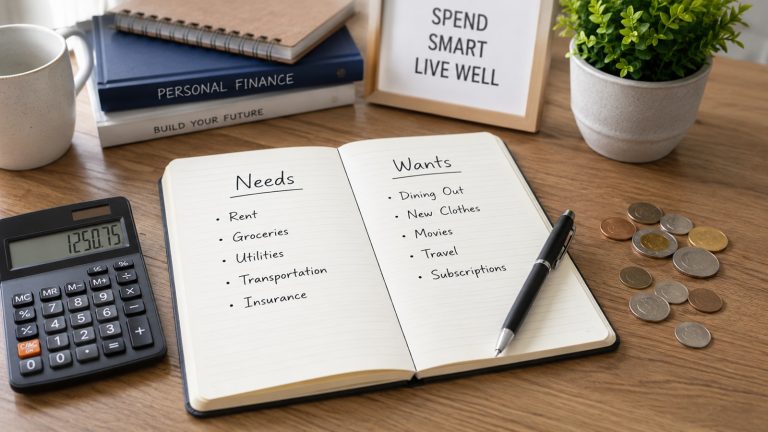
Not every unexpected expense is an emergency.
Real emergencies may include:
- Medical bills
- Job loss
- Urgent transport
- Home repairs
- Phone or laptop repair needed for work
- Business cash shortage
- Family crisis
- School emergency
Non-emergencies may include:
- Fashion upgrades
- Entertainment
- Eating out
- Luxury items
- Unplanned shopping
- Betting
- Holidays
Emergency money should be protected.
Build an Emergency Fund
Start with a small target.
Examples:
KSh 1,000
KSh 5,000
KSh 10,000
One week of basic expenses
One month of basic expenses
After reaching the first target, increase it gradually.
Save Consistently
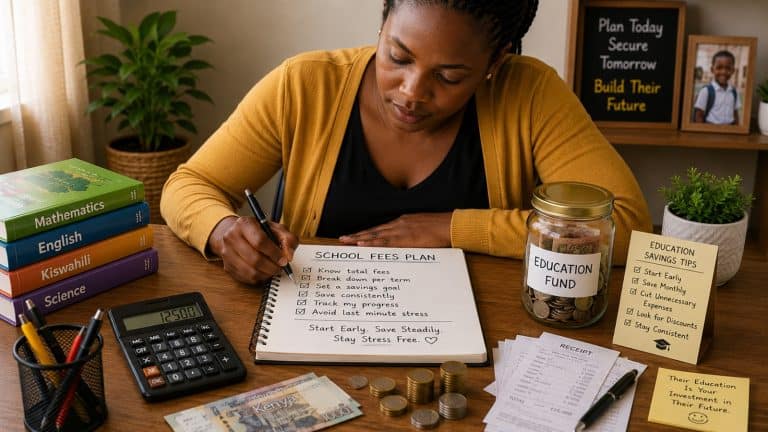
You can build emergency savings through small regular amounts.
Examples:
KSh 50 per day
KSh 200 per week
KSh 1,000 per month
5 percent of income
The amount matters less than consistency.
Keep Emergency Money Separate
Do not mix emergency savings with daily spending money.
Use:
- Separate savings account
- Mobile savings wallet
- SACCO account
- Money market fund, if suitable
- Locked savings option
Emergency money should be accessible but not too easy to spend casually.
Reduce Unnecessary Debt
Debt can make emergencies worse. If most of your income already goes to loan repayment, a sudden expense can create serious pressure.
Work on reducing high-cost debt where possible. The FTC advises people struggling with debt to talk directly with creditors and suggest affordable payment plans.
Keep Important Records
During emergencies, records help.
Keep copies of:
- Medical insurance details
- Bank information
- Emergency contacts
- School fee records
- Loan records
- Business records
- Identification documents
- Receipts for important assets
Store them safely.
Have a Basic Emergency Plan
Ask yourself:
Who can I call in an emergency?
Where is my emergency money?
What expenses can I pause?
What bills must still be paid?
What documents will I need?
A plan helps you respond calmly.
Avoid Panic Borrowing
When emergencies happen, people may accept expensive loans quickly.
Before borrowing, ask:
What is the total repayment amount?
Can I repay on time?
Is there a cheaper option?
Can I negotiate payment terms?
Borrow only when necessary.
Protect Your Income
If possible, develop skills or side income that can help if one income source fails.
This may include:
- Freelancing
- Small business
- Farming
- Digital skills
- Tutoring
- Part-time services
Income diversity can reduce financial vulnerability.
Review Your Emergency Plan Regularly
Your emergency plan should change when life changes.
Review it when:
- Income changes
- Family grows
- Expenses rise
- You change jobs
- Business expands
- You clear debt
- You move house
Final Thoughts
Financial emergencies are part of life. Preparing early can reduce stress and prevent panic decisions.
Start with a small emergency fund, keep it separate, reduce unnecessary debt, keep records, and create a simple emergency plan.
Even a small amount saved can make a big difference when trouble comes.
Disclaimer
This article is for educational purposes only. It should not be taken as professional financial, legal, tax, insurance, lending, investment, or business advice. Always consult a qualified professional before making major financial decisions.