Simple Saving Tips for Low and Middle Income Earners
Simple Saving Tips for Low and Middle Income Earners
Saving money can feel difficult when your income is limited or when your monthly responsibilities are high. Many low and middle income earners struggle to save because most of their money goes to rent, food, transport, school fees, bills, debt repayment, and family support.
However, saving is not only for people with high salaries. It is possible to save even with a small or moderate income. The secret is to start small, stay consistent, and make saving part of your normal money routine.
You do not need to save a large amount immediately. Even small savings can help you handle emergencies, reduce financial stress, and work toward future goals.
Why Saving Matters
Saving gives you financial breathing space. Without savings, even a small emergency can become a big problem. You may be forced to borrow, delay important payments, or sell something valuable quickly.
Savings can help you prepare for:
- Medical emergencies
- Rent
- School fees
- Business needs
- Job loss
- Family emergencies
- Debt repayment
- Future investments
- Personal goals
Saving also gives you confidence. When you know you have some money set aside, you can make decisions more calmly.
1. Start with a Small Amount
Many people fail to save because they think the amount must be big. This is not true. Saving is first about building the habit.
You can start with any amount you can manage.
For example:
- KSh 50 per day
- KSh 200 per week
- KSh 500 per month
- 5 percent of your income
- A small amount from every payment you receive
The amount may look small at first, but consistency matters. Small amounts saved regularly can grow over time.
If you wait until you have a lot of money before you start saving, you may never begin.
2. Save Before You Spend
One of the best saving habits is to save first before spending.
Many people spend first and hope to save whatever remains. The problem is that money often finishes before anything is saved.
A better approach is to set aside your savings immediately after receiving income.
For example, if you receive KSh 20,000, you can save KSh 1,000 first, then budget the remaining KSh 19,000.
Treat savings like a necessary bill. This makes it easier to stay disciplined.
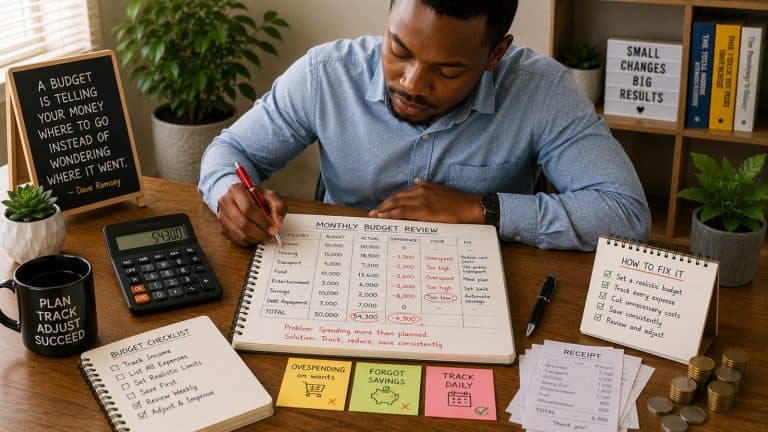
3. Create a Simple Budget
A budget helps you understand where your money is going. Without a budget, it is easy to spend without noticing.
Your budget does not need to be complicated. Write down:
- Your income
- Rent
- Food
- Transport
- Bills
- School fees
- Debt repayment
- Savings
- Personal spending
After listing these items, check whether your expenses are higher than your income. If they are, look for areas to reduce.
A budget helps you avoid guessing. It gives your money direction.
4. Track Small Daily Expenses
Small daily expenses can quietly consume a lot of money. You may not notice them because each amount looks small.
Examples include:
- Snacks
- Extra transport
- Airtime
- Data bundles
- Drinks
- Small online payments
- Delivery fees
- Impulse purchases
For one month, write down every expense, even the small ones. At the end of the month, check the total.
You may discover that a lot of money goes to things you did not plan for. Once you know this, you can reduce some of those expenses and save the difference.
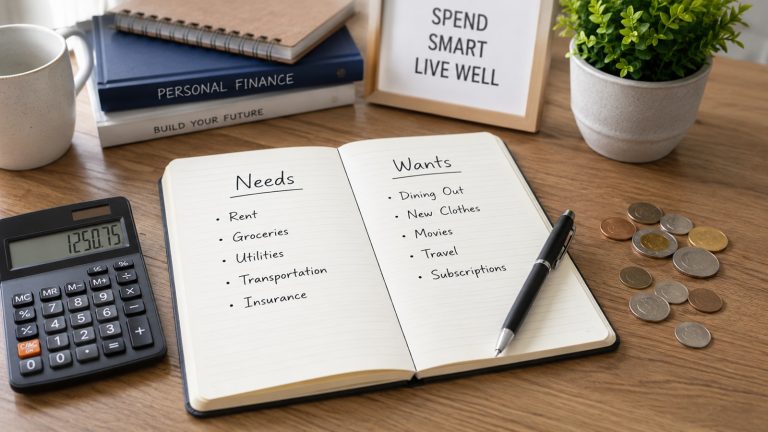
5. Separate Needs from Wants
A need is something necessary for daily living. Examples include food, rent, transport, healthcare, school fees, and basic utilities.
A want is something you may enjoy but can survive without. Examples include luxury items, entertainment, expensive upgrades, and impulse purchases.
This does not mean you should never enjoy your money. It means you should first take care of important needs, then control spending on wants.
When income is limited, reducing wants can create room for savings.
6. Use a Separate Savings Account
It is harder to save when your savings are mixed with your daily spending money.
If possible, keep your savings in a separate account, wallet, or savings platform. This helps reduce the temptation to spend.
You can use:
- A separate bank account
- A mobile money savings wallet
- A SACCO account
- A money market fund, if you understand it
- A locked savings feature
The best option is one that is safe, easy to monitor, and not too easy to spend from casually.
7. Reduce Unnecessary Subscriptions
Subscriptions can slowly drain your money. These may include streaming services, apps, premium tools, membership fees, or services you no longer use.
Review your subscriptions and ask:
- Do I still use this?
- Is it necessary?
- Can I use a cheaper option?
- Can I pause it for now?
- Is it helping me financially or personally?
Cancel or pause subscriptions that are not important. Then redirect that money to savings.
8. Plan Your Shopping
Unplanned shopping often leads to overspending. Before going to the shop, supermarket, or market, write a list of what you need.
A shopping list helps you avoid buying things just because they look attractive.
Also, compare prices where possible. Buying in bulk for items you use regularly may save money, but only if you are buying things you truly need.
Avoid shopping when you are emotional, bored, or under pressure. This can lead to impulse buying.
9. Cook More at Home
Food is one of the biggest expenses for many households. Eating out often or buying ready-made meals can become expensive over time.
Cooking more at home can help reduce costs. You can plan meals weekly, buy ingredients wisely, and reduce food waste.
This does not mean you should never eat out. It simply means you should control how often it happens.
Even reducing eating out by a few times each month can create savings.
10. Avoid Borrowing for Lifestyle Spending
Borrowing for basic needs may sometimes happen, especially during difficult times. However, borrowing for lifestyle spending can become dangerous.
Avoid taking loans for:
- Entertainment
- Fashion pressure
- Expensive gadgets
- Betting
- Parties
- Impulse shopping
- Social media lifestyle pressure
Loans should be handled carefully. Before borrowing, check the interest, repayment date, penalties, and whether you can repay comfortably.
Saving becomes difficult when too much income goes to debt repayment.
11. Set Clear Saving Goals
Saving is easier when you know why you are saving.
Instead of saying, “I want to save money,” create a clear goal.
Examples:
- I want to save KSh 10,000 in five months.
- I want to build an emergency fund of KSh 20,000.
- I want to save for school fees before the next term.
- I want to save capital for a small business.
- I want to save for a laptop.
Clear goals help you stay motivated. They also make it easier to measure progress.
12. Use Extra Income Wisely
Sometimes you may receive extra money from bonuses, gifts, overtime, small business profit, side hustles, refunds, or support from family.
Instead of spending all of it, save part of it.
For example, if you receive KSh 5,000 extra, you can save KSh 2,000 and use the rest for other needs.
Extra income is a good opportunity to grow your savings faster.
13. Avoid Comparing Yourself with Others
Comparison can damage your finances. Many people spend money they do not have because they want to match friends, relatives, colleagues, or social media lifestyles.
Remember that people show the visible part of their life, not always their financial struggles.
Focus on your own income, responsibilities, and goals. Financial progress is personal. What matters is whether you are improving from where you started.
14. Save Coins and Small Change
Small change can help build saving discipline. If you receive coins or small amounts of money, keep them aside instead of spending them immediately.
You can use a savings jar or a separate mobile wallet.
This method may not make you rich, but it helps you build consistency. It can also support small goals such as transport, airtime, emergency money, or household items.
15. Review Your Progress Monthly
At the end of every month, check your savings progress.
Ask yourself:
- How much did I save?
- What stopped me from saving more?
- Which expenses can I reduce?
- Did I spend on things I did not need?
- What can I improve next month?
Saving improves with practice. Reviewing your progress helps you understand your habits and make better decisions.
Example of a Simple Saving Plan
Here is an example for someone earning KSh 30,000 per month:
| Item | Amount |
|---|---|
| Monthly income | KSh 30,000 |
| Target savings | KSh 3,000 |
| Weekly saving target | KSh 750 |
| Daily saving estimate | About KSh 100 |
This is only an example. Your own savings plan should match your income and responsibilities.
If KSh 3,000 is too high, start with KSh 1,000 or even less. The most important thing is to begin and remain consistent.
Common Saving Mistakes to Avoid
Avoid these mistakes when trying to save:
- Waiting to earn more before saving
- Saving without a goal
- Keeping savings together with spending money
- Saving only when money remains
- Using savings for non-important expenses
- Giving up after one difficult month
- Borrowing while trying to save without a plan
- Copying someone else’s saving plan exactly
Saving should fit your real life. Start with what you can manage and improve slowly.
Final Thoughts
Saving money as a low or middle income earner can be challenging, but it is possible. You do not need to start with a large amount. What matters most is discipline, consistency, and planning.
Begin by saving a small amount, creating a budget, tracking your expenses, reducing unnecessary spending, and setting clear goals.
Small savings can become meaningful over time. The earlier you start, the easier it becomes to build better financial habits.
Disclaimer
This article is for educational purposes only. It should not be taken as professional financial, investment, tax, legal, or business advice. Always consult a qualified professional before making major financial decisions.