What Is Personal Finance? A Beginner-Friendly Guide
Personal finance is the way you manage your money in everyday life. It includes how you earn, spend, save, borrow, invest, and plan for future financial needs. Whether you are a student, employee, business owner, parent, or young professional, personal finance affects almost every decision you make with money.
Many people think personal finance is only about having a lot of money. That is not true. Personal finance is more about how well you manage the money you already have. A person with a modest income can still make good financial decisions, while a person with a high income can struggle if they spend without planning.
Understanding personal finance helps you take better control of your money. It can help you avoid unnecessary debt, prepare for emergencies, save for important goals, and make smarter choices about your future.
Why Personal Finance Matters
Personal finance matters because money affects daily life. You need money for food, transport, rent, school fees, healthcare, business expenses, family support, and many other needs. Without proper planning, it becomes easy to spend everything and remain under pressure before the next income comes.
Good personal finance does not mean you will never face money problems. It means you are better prepared to handle them. For example, if you save even a small amount regularly, you may have something to use when an emergency comes. If you track your spending, you can notice where your money is going and reduce waste.
Personal finance also helps you make decisions with confidence. Instead of guessing whether you can afford something, you can check your budget and decide wisely.
Main Areas of Personal Finance
Personal finance has several important parts. These parts work together to help you manage money better.
1. Income
Income is the money you receive. It may come from a salary, business, farming, freelancing, rental income, side hustle, or other sources.
The first step in personal finance is knowing how much money comes in. Many people only focus on how much they want to spend, but it is important to start with income. When you know your income, you can plan your spending, saving, and debt repayment more clearly.
If your income changes from month to month, it is wise to budget using your average or lowest expected income. This helps you avoid planning with money that may not come.
2. Spending
Spending is how you use your money. Some spending is necessary, such as food, rent, transport, school fees, and healthcare. Other spending may be optional, such as entertainment, luxury items, or things bought without planning.
Good personal finance does not mean avoiding all enjoyment. It means spending with awareness. You should know the difference between needs and wants.
A need is something important for daily living. A want is something you may enjoy, but can survive without. When money is limited, needs should come before wants.
3. Budgeting
A budget is a simple plan for your money. It shows how much money you expect to receive and how you plan to use it.
A good budget helps you avoid spending blindly. It can show you whether your expenses are higher than your income. It can also help you plan for savings, debt repayment, bills, and future goals.
A simple budget may include:
- Income
- Food
- Rent
- Transport
- School fees
- Utilities
- Savings
- Debt repayment
- Emergency fund
- Personal spending
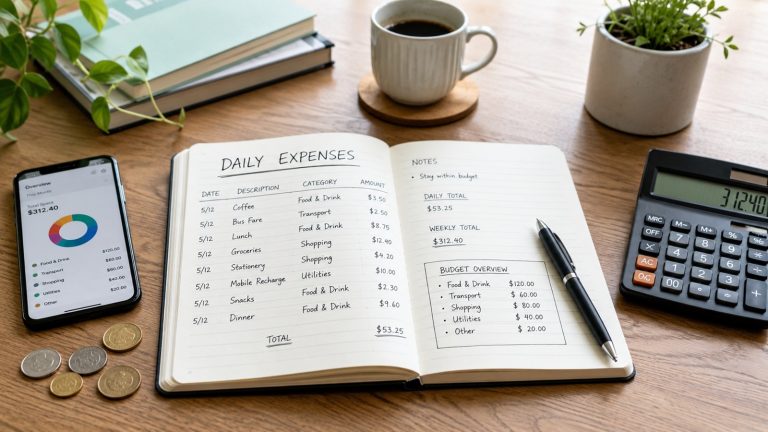
Budgeting does not have to be complicated. You can use a notebook, spreadsheet, budgeting app, or even your phone notes. What matters is consistency.
4. Saving
Saving means keeping part of your money for future use. It is one of the most important habits in personal finance.
People save for different reasons. Some save for emergencies. Others save for school fees, business capital, rent, land, a home, travel, or future investments.
The amount you save does not have to be large at the beginning. What matters most is building the habit. Saving a small amount regularly is better than waiting to save a large amount that never comes.
A good practice is to save before spending. Once you receive income, set aside something first, then plan the remaining money.
5. Emergency Fund
An emergency fund is money kept aside for unexpected situations. These may include illness, job loss, urgent travel, business problems, school emergencies, or sudden repairs.
Without an emergency fund, many people are forced to borrow whenever a problem appears. This can create stress and increase debt.
An emergency fund gives you breathing space. It may not solve every problem, but it can reduce panic when life becomes difficult.
6. Debt Management
Debt means money you owe. Debt can come from loans, mobile lending apps, credit cards, friends, family, banks, or business suppliers.
Not all debt is bad. Some debt may help you pay for education, grow a business, or handle an important need. However, debt becomes dangerous when it is used carelessly or when repayment becomes difficult.
Before borrowing, ask yourself:
- Do I really need this loan?
- Can I repay it on time?
- What is the interest or extra cost?
- What happens if I delay payment?
- Is there a better option than borrowing?
Good personal finance means borrowing responsibly and avoiding debt that creates long-term pressure.
7. Financial Goals
Financial goals are the things you want to achieve with your money. They give direction to your financial decisions.
Examples of financial goals include:
- Saving for school fees
- Starting a small business
- Paying off debt
- Building an emergency fund
- Buying land
- Improving your home
- Saving for retirement
- Learning a new skill
Goals help you stay focused. When you know what you are working toward, it becomes easier to avoid unnecessary spending.
8. Investing
Investing means putting money into something that may grow in value or produce income over time. Examples include business, land, farming, stocks, bonds, retirement plans, or education.
Investing can help build wealth, but it also comes with risks. That is why beginners should first understand the basics before putting money into any investment.
Avoid investments that promise quick or guaranteed profits. Any opportunity that sounds too good to be true should be treated carefully.
Common Personal Finance Mistakes
Many people struggle with money not because they earn nothing, but because of small habits that create bigger problems over time.
Common mistakes include:
- Spending without a budget
- Borrowing for things that are not necessary
- Not tracking daily expenses
- Ignoring small expenses
- Failing to save for emergencies
- Trying to impress others
- Depending on one source of income
- Joining schemes without proper research
- Waiting too long to start saving
The good thing is that these mistakes can be corrected. Personal finance improves step by step.
How to Start Managing Your Personal Finance
You do not need to be an expert to start. Begin with simple steps.
First, know how much money you earn. Then write down your main expenses. After that, separate needs from wants. Decide how much you can save, even if it is small. If you have debt, create a plan to repay it slowly and responsibly.
You can also review your spending every week. This helps you notice habits that need to change. Over time, small improvements can make a big difference.
Final Thoughts
Personal finance is about making better decisions with your money. It is not only for rich people, business owners, or financial experts. It is for everyone.
When you understand personal finance, you can budget better, save more consistently, avoid unnecessary debt, and plan for your future with more confidence.
The most important step is to start. You do not need a perfect plan. You only need to begin managing your money more intentionally.
Disclaimer
This article is for educational purposes only. It should not be taken as professional financial, investment, tax, legal, or business advice. Always consult a qualified professional before making major financial decisions.