How to Reduce Unnecessary Spending
How to Reduce Unnecessary Spending
Unnecessary spending is one of the easiest ways to lose control of your money. It often happens slowly through small daily purchases, impulse buying, unused subscriptions, lifestyle pressure, and poor planning. At first, the amounts may look small. But when added together over weeks and months, they can take a big part of your income.
Reducing unnecessary spending does not mean living a boring life. It means becoming more aware of where your money goes and choosing what truly matters. A good spending plan helps you see how much money comes in, how it is spent, and where you may be able to save. Consumer.gov explains that a budget is a written plan that shows how much money you make and how you spend it.
The goal is not to stop spending completely. The goal is to spend with purpose.
What Is Unnecessary Spending?
Unnecessary spending is money used on things that are not important, not planned, or not useful enough compared with your financial priorities.
Examples may include:
- Buying snacks every day without planning
- Paying for subscriptions you no longer use
- Buying things because they are on offer
- Upgrading your phone when the old one still works
- Eating out too often
- Spending to impress others
- Paying for transport you could avoid
- Buying items emotionally
- Borrowing to fund lifestyle spending
- Shopping because of boredom
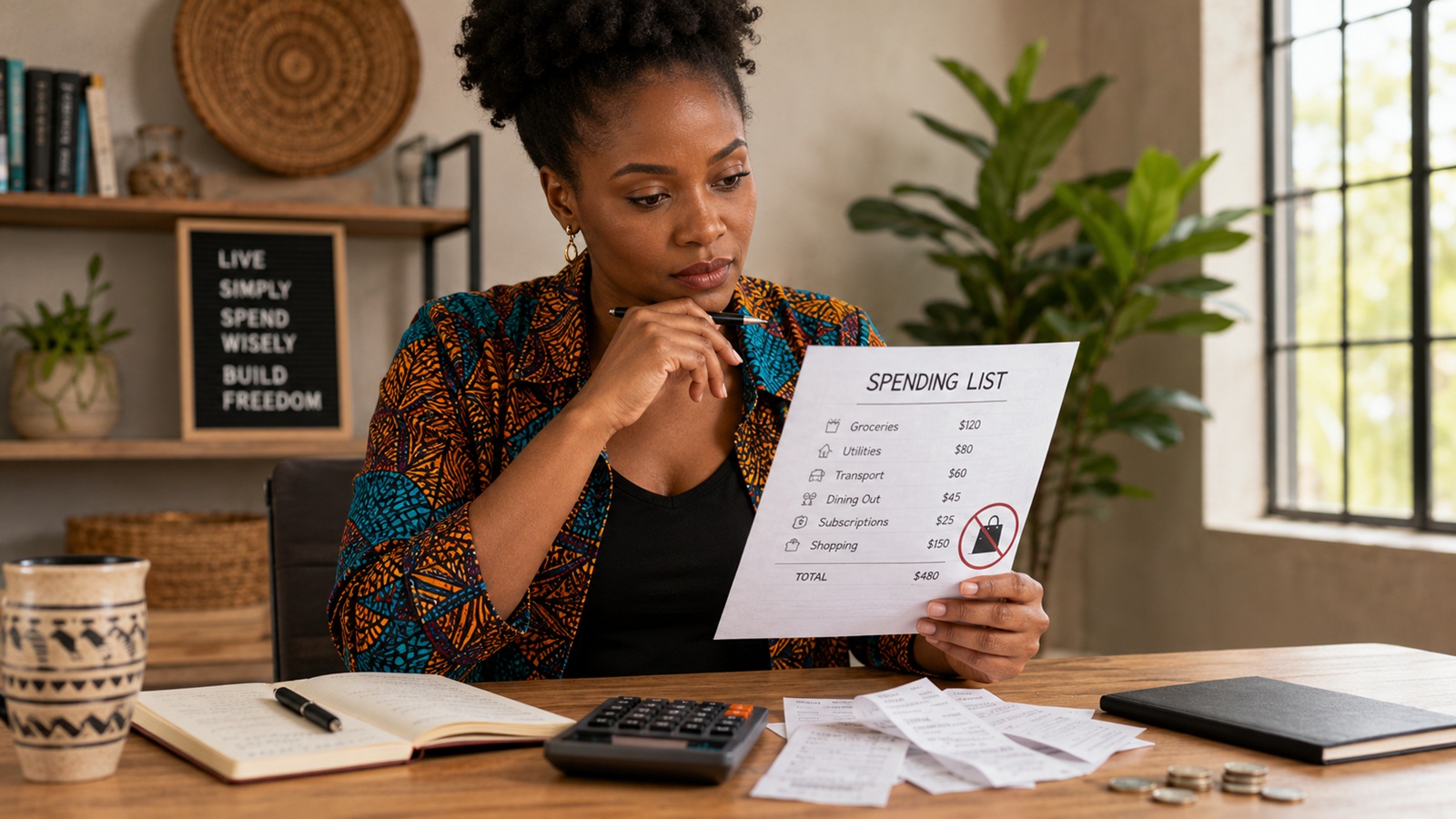
Not every enjoyable purchase is unnecessary. You can still buy things you like. The problem begins when spending on wants affects rent, food, transport, school fees, savings, debt repayment, or emergency planning.
Why Reducing Unnecessary Spending Matters
Reducing unnecessary spending helps you create room for important financial goals.
It can help you:
- Save more money
- Reduce debt pressure
- Build an emergency fund
- Pay bills on time
- Avoid borrowing for basic needs
- Plan better for the future
- Reduce money stress
- Spend more intentionally
The Consumer Financial Protection Bureau advises people to take a realistic look at their current spending patterns by reviewing account and card history for several months. This helps reveal where money is really going.
Many people do not need a perfect financial plan to improve. They only need to notice waste and reduce it step by step.
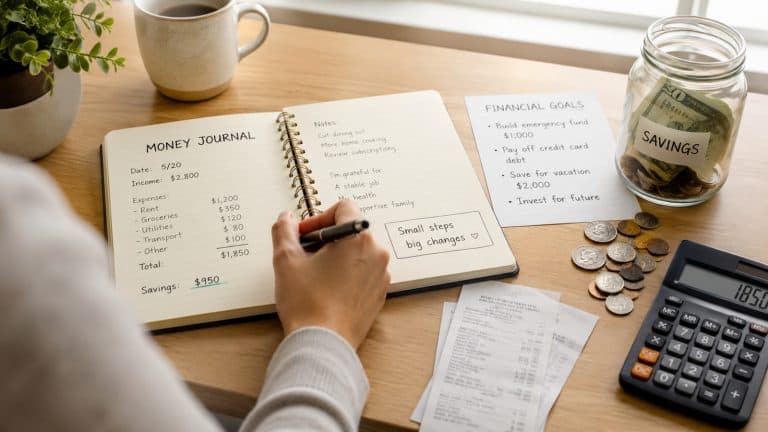
1. Track Your Spending First
You cannot reduce unnecessary spending if you do not know where your money is going.
Start by tracking every expense for at least one week. If possible, track for one full month.
Write down:
- Food
- Transport
- Airtime
- Data bundles
- Snacks
- Subscriptions
- Shopping
- Mobile money charges
- Entertainment
- Personal spending
- Debt repayment
- Small cash expenses
You can use a notebook, phone notes, spreadsheet, budgeting app, bank statement, or mobile money statement.
Do not ignore small expenses. Small amounts often reveal the biggest leaks.
2. Separate Needs from Wants
A need is something important for daily life. A want is something you may enjoy but can survive without.
Needs may include:
- Food
- Rent
- Transport to work or school
- Basic clothing
- Healthcare
- Utilities
- School fees
- Debt repayment
- Work or study tools
Wants may include:
- Entertainment
- Luxury items
- Frequent eating out
- Costly upgrades
- Extra subscriptions
- Impulse shopping
- Lifestyle spending
Wants are not bad. But they should come after needs, savings, and important responsibilities.
Before spending, ask:
Is this a need or a want?
Can I afford it without hurting my budget?
Can it wait?
These questions can stop many unnecessary purchases.
3. Create a Simple Budget
A budget gives your money direction. Without one, spending becomes guesswork.
Your budget should show:
- Income
- Fixed expenses
- Variable expenses
- Savings
- Debt repayment
- Emergency fund
- Personal spending
A simple budget helps you decide how much you can spend before the money disappears. The FTC also notes that a budget can help people see where they spend money and how they might spend it differently, especially when trying to manage debt.
Your budget does not need to be complicated. Even a simple written plan is better than no plan.
4. Use Spending Limits
After creating a budget, set limits for categories that often cause overspending.
For example:
| Category | Weekly Limit |
|---|---|
| Snacks | KSh 500 |
| Eating out | KSh 1,000 |
| Entertainment | KSh 800 |
| Airtime and data | KSh 700 |
| Personal shopping | KSh 1,500 |
The limit should match your income and responsibilities.
If you keep overspending in one category, reduce access to that money. You can separate it in cash envelopes, mobile wallet categories, or different accounts.
5. Review Your Subscriptions
Subscriptions can quietly drain money every month.
These may include:
- Streaming services
- Premium apps
- Online tools
- Gym memberships
- Cloud storage
- Music apps
- Learning platforms
- Internet packages
- Membership clubs
- Auto-renewing services
Some subscriptions are useful. Others continue charging even when you no longer use them.
The FTC advises consumers not to ignore renewal notices and to check whether the renewal cost is what they expected, because automatic renewals can sometimes charge more after promotional rates end.
Go through your mobile money, bank, card, and email records. Cancel what you do not use.
6. Avoid Impulse Buying
Impulse buying happens when you buy something suddenly without planning.
It may happen because of:
- Discounts
- Social media ads
- Peer pressure
- Boredom
- Stress
- Excitement
- Fear of missing out
- Attractive packaging
- “Limited offer” messages
To reduce impulse buying, use the 24-hour rule.
When you want to buy something non-essential, wait for 24 hours. If it is expensive, wait one week.
After waiting, ask:
Do I still need this?
Can I afford it?
What goal will this delay?
Is there a cheaper option?
Many unnecessary purchases lose their power after a short delay.
7. Plan Before Shopping
Unplanned shopping leads to overspending.
Before going to the market, supermarket, shop, or online store, write a list. Buy what is on the list first.
A shopping list helps you avoid buying things only because they look attractive.
Also avoid shopping when you are:
- Hungry
- Angry
- Bored
- Stressed
- Trying to impress others
- Under pressure
Emotional shopping often leads to regret.
8. Reduce Eating Out
Food is necessary, but frequent eating out can become expensive.
You can reduce food spending by:
- Cooking more at home
- Carrying lunch when possible
- Planning meals weekly
- Buying groceries with a list
- Reducing food waste
- Comparing prices
- Avoiding daily snacks
- Limiting delivery orders
You do not have to stop eating out completely. Just control the frequency.
For example, if you eat out five times a week, reduce it to two or three times. Save the difference.
9. Watch Small Daily Expenses
Small expenses are easy to ignore.
Examples:
- KSh 50 here
- KSh 100 there
- KSh 200 for snacks
- KSh 50 mobile money charge
- KSh 100 extra transport
- KSh 150 impulse item
One small expense may not hurt. But repeated daily spending can become a big amount.
For example:
KSh 200 per day x 30 days = KSh 6,000 per monthThat money could support savings, debt repayment, school fees, business capital, or emergency money.
10. Avoid Borrowing for Wants
Borrowing for wants is dangerous because it creates future pressure for something that was not necessary.
Avoid borrowing for:
- Fashion pressure
- Parties
- Betting
- Entertainment
- Phone upgrades
- Social media lifestyle
- Impulse shopping
- Luxury items
If something is not urgent, save for it instead.
Debt should be used carefully. Borrowed money is not free money. It must be repaid, often with interest or fees.
11. Remove Spending Temptations
Sometimes reducing spending requires changing your environment.
You can:
- Unfollow pages that encourage impulse buying
- Remove saved card details from shopping sites
- Avoid window shopping when you have no plan
- Turn off promotional messages
- Leave extra cash at home
- Avoid carrying all your money
- Delete shopping apps you rarely need
- Avoid friends who pressure you to overspend
Discipline is easier when temptation is reduced.
12. Compare Prices Before Buying
Price comparison can save money, especially for regular purchases.
Compare prices for:
- Food
- Household goods
- School supplies
- Data bundles
- Internet packages
- Transport options
- Appliances
- Clothing
- Business stock
- Services
But do not buy something only because it is cheap. A cheap item that you do not need is still unnecessary spending.
13. Buy Quality When It Saves Money
Reducing unnecessary spending does not always mean buying the cheapest item.
Sometimes a slightly more expensive item lasts longer and saves money over time.
For example:
- A durable pair of shoes may last longer than a cheap pair that wears out quickly.
- A reliable phone may be better than a low-quality one that needs constant repair.
- Good tools may support work better than poor tools.
The key is value, not just low price.
14. Set Clear Financial Goals
It is easier to reduce spending when you know what you are working toward.
Your goals may include:
- Building an emergency fund
- Paying off debt
- Saving for school fees
- Starting a small business
- Buying a laptop
- Saving for rent
- Investing in a skill
- Supporting family responsibly
A clear goal gives you a reason to say no to unnecessary spending.
Instead of saying:
I want to save money.Say:
I want to save KSh 10,000 in five months for my emergency fund.Clear goals make discipline easier.
15. Use Cash for Problem Categories
Some people spend more when using digital payments because the money feels less visible.
If you overspend on certain categories, try using cash for those areas.
For example, you can withdraw your weekly food or personal spending limit and use only that amount. When the cash finishes, spending stops.
This method may not work for everyone, but it can help people who overspend through mobile money, cards, or online payments.
16. Review Your Mobile Money and Bank Statements
Your statements can show spending patterns clearly.
Review them weekly or monthly to check:
- Transfer charges
- Airtime and data spending
- Subscriptions
- Eating out
- Shopping
- Loan repayments
- Mobile loans
- Unplanned payments
- Repeated small spending
Do not only check your balance. Review the actual movement of money.
This helps you identify spending habits you may not notice daily.
17. Learn to Say No
Sometimes unnecessary spending happens because people find it hard to say no.
You may need to say no to:
- Friends asking you to spend beyond your budget
- Events you cannot afford
- Family demands you are not able to meet
- Sales offers you do not need
- Lifestyle pressure
- Borrowing requests when your own finances are weak
Saying no does not mean you are selfish. It means you are protecting your financial stability.
18. Avoid “Reward Spending” After Every Small Win
It is good to celebrate progress. But if every achievement leads to spending, your money may disappear quickly.
For example:
- You get paid and immediately overspend.
- You finish a task and reward yourself with shopping.
- You save money then spend it on something unnecessary.
- You clear one debt and take another loan.
Reward yourself wisely. Choose affordable rewards that do not destroy your progress.
19. Give Yourself a Controlled Fun Budget
Trying to remove all enjoyment can make budgeting difficult.
Instead of pretending you will never spend on fun, create a controlled fun budget.
For example:
Entertainment: KSh 1,000 per month
Eating out: KSh 1,500 per month
Personal shopping: KSh 2,000 per month
This allows enjoyment without guilt or overspending.
The key is to stay within the limit.
20. Fix Money Leaks One at a Time
Do not try to change everything in one day.
Start with one or two spending leaks.
For example:
- Reduce eating out.
- Cancel one unused subscription.
- Track mobile money charges.
- Stop impulse clothing purchases.
- Carry lunch twice a week.
- Reduce betting or entertainment spending.
- Compare grocery prices.
Small changes are easier to maintain.
Example: Reducing Unnecessary Spending
Here is a simple example:
| Spending Habit | Old Monthly Cost | New Monthly Cost | Savings |
|---|---|---|---|
| Eating out | KSh 6,000 | KSh 3,000 | KSh 3,000 |
| Unused subscriptions | KSh 1,500 | KSh 500 | KSh 1,000 |
| Snacks | KSh 3,000 | KSh 1,500 | KSh 1,500 |
| Impulse shopping | KSh 4,000 | KSh 2,000 | KSh 2,000 |
| Total savings | KSh 7,500 |
In this example, the person does not stop enjoying life completely. They simply reduce waste and save KSh 7,500 in one month.
Common Mistakes to Avoid
Avoid these mistakes when trying to reduce spending:
- Cutting everything too quickly
- Not tracking expenses
- Ignoring small purchases
- Keeping unused subscriptions
- Borrowing for wants
- Shopping when emotional
- Spending to impress others
- Not setting financial goals
- Giving up after one bad week
- Copying someone else’s budget exactly
Reducing unnecessary spending is a habit. It improves with practice.
Simple Spending Control Checklist
Before buying something, ask:
Do I really need this?
Is it in my budget?
Can I afford it without borrowing?
Can it wait?
Is there a cheaper option?
Will I still value it next week?
What financial goal will this delay?
If the purchase fails most of these questions, it may be unnecessary.
Final Thoughts
Reducing unnecessary spending is one of the most practical ways to improve your personal finance. You do not need to earn a lot before you start making better decisions.
Begin by tracking your spending, separating needs from wants, reviewing subscriptions, controlling impulse buying, and setting clear financial goals.
The aim is not to punish yourself. The aim is to use money more wisely.
When you reduce waste, you create room for savings, debt repayment, emergency planning, and future goals.
Small spending changes can lead to big financial progress over time.
Disclaimer
This article is for educational purposes only. It should not be taken as professional financial, legal, tax, lending, or investment advice. Always consult a qualified professional before making major financial decisions.