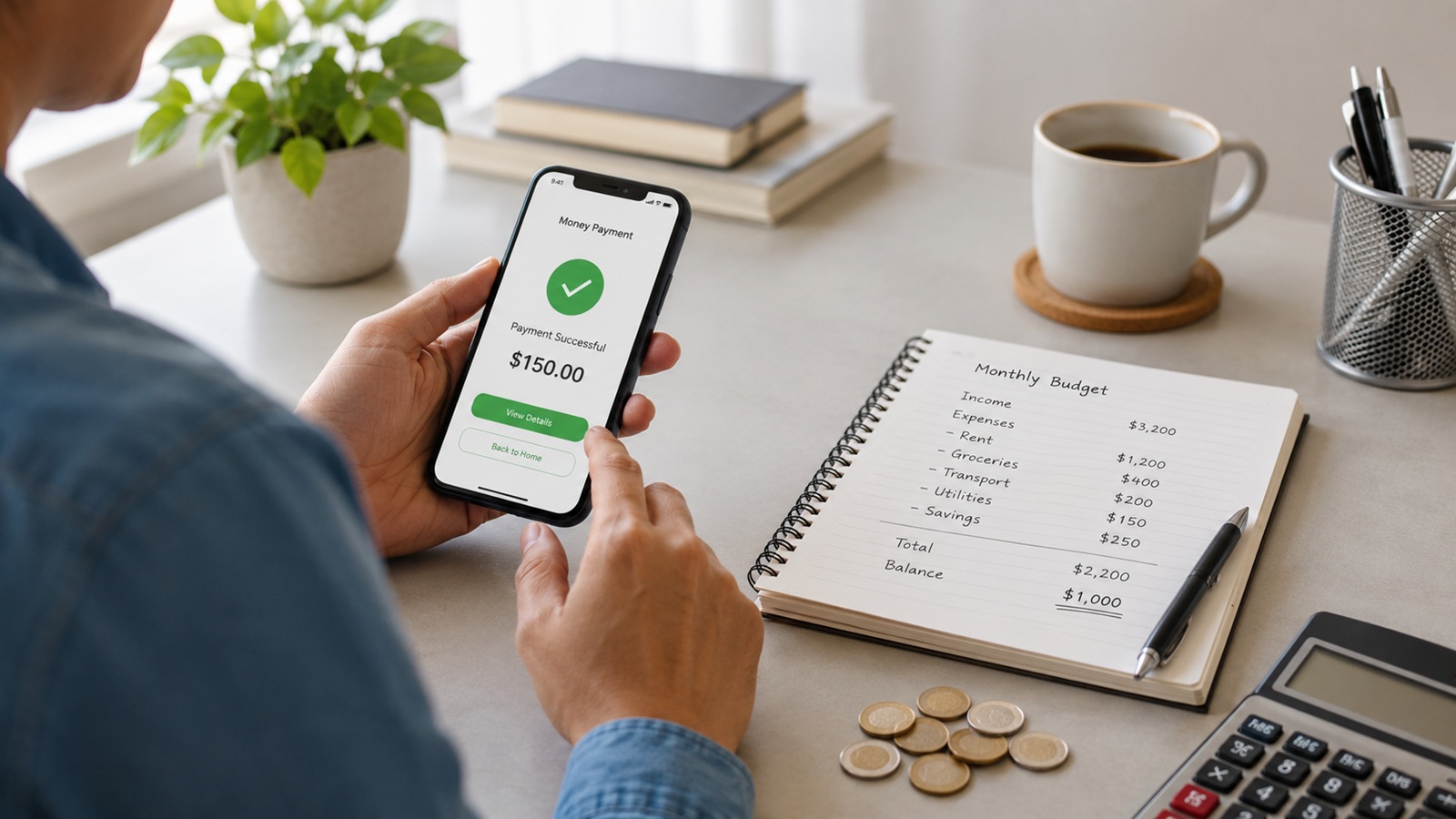
How Mobile Money Has Changed Personal Finance in Africa
Mobile money has changed the way many people in Africa manage their daily finances. In the past, sending money, saving, paying bills, or accessing financial services often required a bank account, physical travel, paperwork, or long queues. Today, many of these activities can be done using a mobile phone.
This change has been especially important in countries where many people previously had limited access to formal banking services. The World Bank notes that financial inclusion in Sub-Saharan Africa has grown strongly over the past decade, with mobile money playing a major role in that progress.
Mobile money is now more than just a way to send money. It has become part of everyday personal finance, small business activity, savings, payments, and financial planning. According to GSMA, mobile money transactions passed $2 trillion globally in 2025, with registered accounts reaching 2.3 billion.
What Is Mobile Money?
Mobile money is a digital financial service that allows people to store, send, receive, and spend money using a mobile phone. In many cases, users do not need a traditional bank account to use mobile money.
A person can visit an agent, deposit cash into a mobile wallet, and then use the phone to send money, pay bills, buy airtime, pay merchants, or withdraw cash later.
Common mobile money services in Africa include platforms used for:
- Sending and receiving money
- Paying bills
- Buying airtime and data
- Paying school fees
- Saving money
- Receiving salaries or business payments
- Paying for goods and services
- Accessing small digital loans
- Receiving remittances from family or friends
Mobile money has made financial services more accessible to people who may live far from banks or who find traditional banking too expensive or complicated.
1. Mobile Money Has Made Sending Money Easier
One of the biggest changes mobile money has brought is the ability to send money quickly.
Before mobile money became common, sending money to someone in another town or village could be difficult. People often used buses, friends, relatives, or physical cash delivery. This was slow and sometimes risky.
Today, a person can send money from one phone to another in a few seconds. This has helped families, students, workers, and small business owners manage money more easily.
For example, a parent can send school money to a child, a worker can support family members upcountry, or a customer can pay a small business without using cash.
This convenience has made personal finance more flexible.
2. It Has Reduced Dependence on Cash
Mobile money has reduced the need to carry cash everywhere. This is important because carrying cash can be risky. Money can be lost, stolen, or spent without proper tracking.
With mobile money, people can keep money in a digital wallet and only withdraw when necessary. This can help improve safety and convenience.
It also makes payments easier in shops, markets, schools, hospitals, transport services, and small businesses.
However, this does not mean cash has disappeared. Many people still use both cash and mobile money. The important change is that users now have more options.
3. It Has Improved Access to Financial Services
Many people who did not have bank accounts have been able to access basic financial services through mobile money.
This matters because financial access helps people save, receive payments, pay bills, and participate more easily in the economy. The World Bank’s Global Findex work highlights the connection between mobile technology, digital connectivity, and financial inclusion.
Mobile money has also helped reach people in rural areas where banks may be far away. An agent network can make it easier for people to deposit and withdraw money without traveling long distances.
This has made financial services more practical for ordinary users.
4. It Has Changed How People Save
Mobile money has made saving more convenient. A person can move small amounts into a savings wallet without visiting a bank.
This is important because saving is not always about large amounts. Many people save small amounts regularly. Mobile money makes this easier because users can save from their phone at any time.
Some mobile money platforms also offer savings products, lock savings, group savings, or interest-earning options through partnerships with banks or financial institutions.
For personal finance, this means people can separate spending money from savings more easily.
5. It Has Made Bill Payments Easier
Mobile money has changed how people pay regular bills.
Users can pay for:
- Electricity
- Water
- Internet
- Television subscriptions
- School fees
- Rent
- Hospital bills
- Government services
- Business services
This saves time and transport costs. Instead of visiting offices or standing in queues, users can make payments from home, work, or business premises.
Bill payment records can also help users track their spending better.
6. It Has Helped Small Businesses
Mobile money has had a major effect on small businesses in Africa.
Small traders, shop owners, farmers, freelancers, transport operators, and service providers can receive payments without needing expensive card machines or formal banking systems.
This helps businesses:
- Receive payments faster
- Reduce cash handling risks
- Keep basic transaction records
- Pay suppliers
- Send money to workers
- Serve customers who prefer cashless payments
For small businesses, mobile money can also make cash flow management easier. A business owner can check transactions, separate personal and business money, and track customer payments more clearly.
7. It Has Made Financial Records Easier
Mobile money creates transaction records. These records can help users understand their financial behavior.
For example, a user can check statements to see:
- Money received
- Money sent
- Bill payments
- Airtime and data purchases
- Merchant payments
- Withdrawal charges
- Loan repayments
This can support budgeting because users can review how money moved during the week or month.
However, users must still be disciplined. A transaction record is useful only if the person reviews it and uses it to improve decisions.
8. It Has Made Borrowing Easier
Mobile money has made it easier for people to access small digital loans. In some cases, users can borrow from mobile lending services linked to their wallet or phone activity.
This can be helpful during emergencies or for small business needs. However, it can also be risky.
Easy borrowing can lead to careless debt if users borrow without planning. Mobile loans often have repayment deadlines, fees, and penalties. Borrowing repeatedly for normal expenses can create a debt cycle.
Mobile money has made borrowing easier, but users must borrow responsibly.
Before taking a digital loan, ask:
- Do I really need this loan?
- Can I repay on time?
- What is the total cost?
- What happens if I delay?
- Am I borrowing for a need or a want?
9. It Has Supported Family and Community Support
In many African communities, people support relatives, friends, parents, children, and community members financially.
Mobile money has made this support easier. A person working in a city can quickly send money to family in another town or rural area. Students can receive support from parents. Family members can contribute to medical bills, funerals, school fees, and emergencies.
This has strengthened informal support systems by making transfers faster and more reliable.
10. It Has Created New Financial Risks
Mobile money has brought many benefits, but it also comes with risks.
Common risks include:
- Sending money to the wrong number
- Fraud messages and fake calls
- SIM swap scams
- Sharing PINs
- Fake customer care numbers
- Mobile loan overuse
- Overspending because payments feel easy
- Transaction charges reducing balances
- Poor record keeping
Users must learn digital financial safety. A mobile wallet should be treated like a real financial account.
Never share your PIN. Do not follow suspicious instructions from strangers. Confirm recipient details before sending money. Avoid clicking unknown links. Use strong phone security.
11. Mobile Money and Budgeting
Mobile money can help budgeting, but it can also make overspending easier.
It helps budgeting because transaction history shows where money went. It also allows users to separate savings, pay bills on time, and avoid carrying too much cash.
But it can hurt budgeting if users make many small payments without tracking them. Airtime, data, transfer charges, subscriptions, and impulse payments can add up quickly.
The solution is to review your mobile money statement regularly. Treat mobile money spending the same way you treat cash spending.
12. How to Use Mobile Money Responsibly
To benefit from mobile money, use it wisely.
Here are simple tips:
- Keep your PIN private
- Confirm names before sending money
- Track transaction charges
- Separate savings from spending money
- Avoid unnecessary mobile loans
- Review your statement weekly
- Use official apps or menus only
- Report suspicious messages
- Do not store all your money in one place
- Budget before spending
Mobile money is a tool. Whether it helps or hurts your finances depends on how you use it.
Final Thoughts
Mobile money has changed personal finance in Africa by making financial services faster, easier, and more accessible. It has improved how people send money, save, pay bills, run small businesses, receive support, and manage daily transactions.
However, convenience must come with responsibility. Users should protect their accounts, avoid careless borrowing, track spending, and use mobile money as part of a wider financial plan.
Mobile money is not a complete solution to every financial problem, but it is a powerful tool. When used wisely, it can help people manage money better and participate more fully in the digital economy.
Disclaimer
This article is for educational purposes only. It should not be taken as professional financial, investment, tax, legal, or business advice. Always consult a qualified professional before making major financial decisions.