What Is an Emergency Fund and Why Do You Need One?
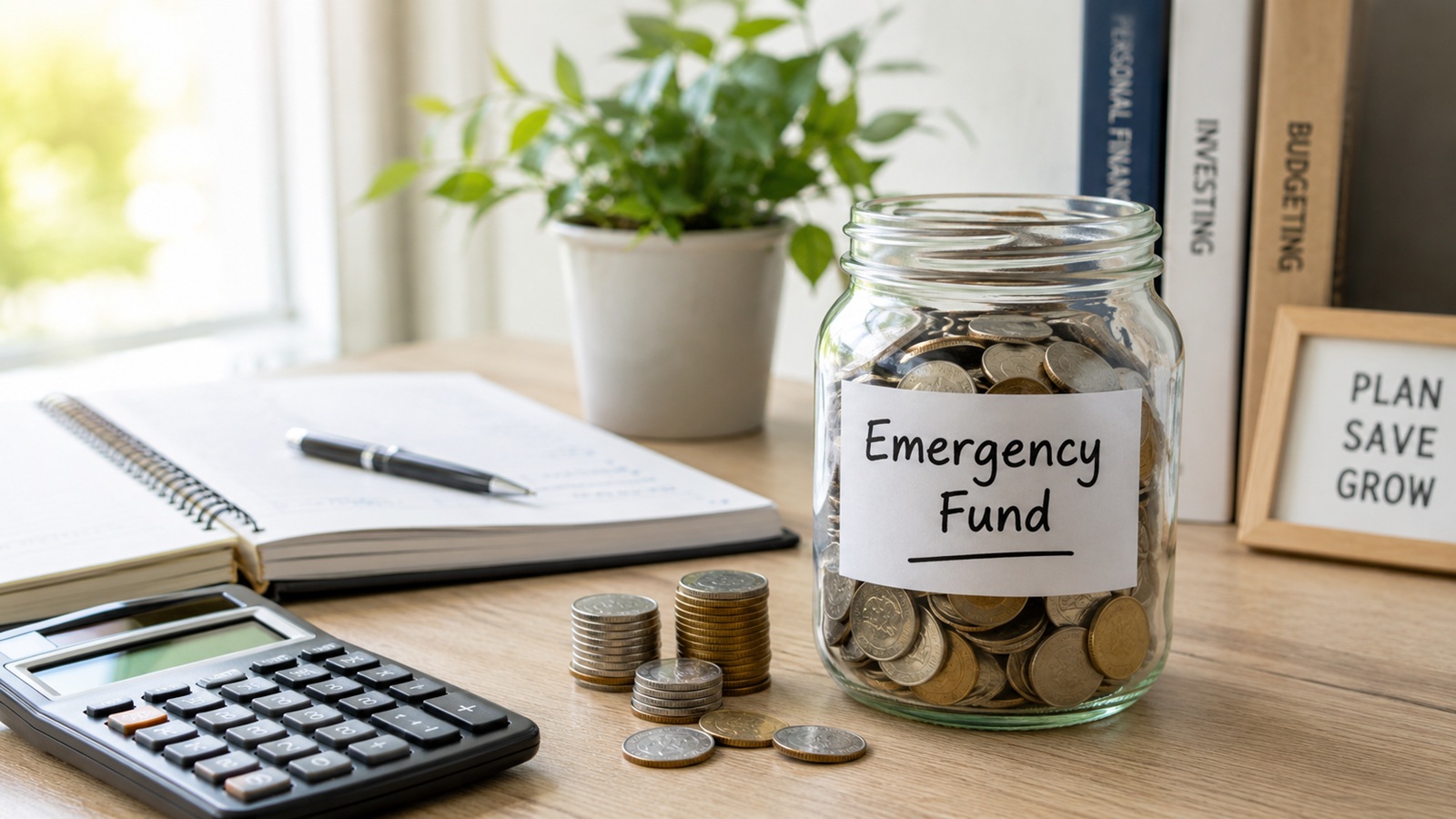
An emergency fund is money you set aside for unexpected situations. It is not money for shopping, entertainment, holidays, or normal monthly spending. It is money kept for real emergencies that can affect your daily life, income, health, family, or financial stability.
Life does not always go according to plan. You may lose your job, face a medical emergency, need urgent transport, repair your phone, support a family member, or handle a business problem. When such situations happen, an emergency fund gives you some breathing space.
Many people are forced to borrow when emergencies appear because they have no savings. This can create stress, debt, and pressure. An emergency fund helps reduce that pressure by giving you money to use before rushing to loans.
Why an Emergency Fund Is Important
An emergency fund is important because unexpected expenses can happen at any time. Even if you budget well, some things are difficult to predict.
For example, you may have planned your monthly expenses carefully, but then your child gets sick, your phone breaks, your rent increases, or your business sales drop. Without emergency savings, you may be forced to borrow, delay important payments, or sell something quickly.
An emergency fund does not mean life will become perfect. It simply gives you a financial cushion when something goes wrong.
What Counts as an Emergency?
Not every unexpected expense is an emergency. An emergency is a serious, urgent, or necessary expense that cannot reasonably wait.
Examples of emergencies include:
- Medical expenses
- Job loss
- Urgent family support
- Emergency travel
- House repairs
- Phone or laptop repair if needed for work
- Business slowdown
- School-related emergencies
- Important transport problems
- Temporary loss of income
Examples of things that are not real emergencies include:
- Buying new clothes for fun
- Upgrading your phone without need
- Entertainment
- Holiday spending
- Eating out
- Betting or gambling
- Buying luxury items
- Impulse shopping
The purpose of an emergency fund is protection, not pleasure.
How an Emergency Fund Helps You
An emergency fund helps you in several ways.
First, it reduces the need to borrow. If a problem appears and you already have some money saved, you may not need to take a loan immediately.
Second, it gives peace of mind. Knowing you have something set aside can reduce anxiety when life becomes uncertain.
Third, it protects your budget. Without emergency savings, one unexpected expense can destroy your entire monthly plan.
Fourth, it helps you avoid selling valuable items in a hurry. When people have no emergency money, they may sell assets cheaply just to solve an urgent problem.
Finally, it gives you time to think clearly. Financial pressure can lead to rushed decisions. An emergency fund gives you room to respond more calmly.
How Much Should You Save in an Emergency Fund?
There is no single amount that works for everyone. The right amount depends on your income, expenses, family responsibilities, job stability, health needs, and lifestyle.
A common recommendation is to save enough to cover three to six months of basic living expenses. However, this can feel too high for many beginners.
If you are just starting, begin with a smaller target.
You can start with:
- One week of basic expenses
- Two weeks of basic expenses
- One month of basic expenses
- KSh 5,000
- KSh 10,000
- Any amount that feels realistic for your situation
The most important thing is to start. A small emergency fund is better than no emergency fund at all.
Example of Emergency Fund Planning
Imagine your basic monthly expenses are:
| Expense | Amount |
|---|---|
| Rent | KSh 8,000 |
| Food | KSh 7,000 |
| Transport | KSh 4,000 |
| Utilities | KSh 2,000 |
| Airtime and data | KSh 1,500 |
| Basic family support | KSh 2,500 |
| Total basic expenses | KSh 25,000 |
In this example, one month of emergency savings would be:
KSh 25,000Three months would be:
KSh 75,000Six months would be:
KSh 150,000This may look like a lot, but you do not have to save it all at once. You can build it slowly over time.
Where Should You Keep Your Emergency Fund?
An emergency fund should be easy to access, but not too easy to spend carelessly.
You can keep it in:
- A savings account
- A separate mobile money account
- A trusted savings wallet
- A money market fund, if you understand it
- A separate bank account
Avoid keeping your emergency fund mixed with your normal spending money. If it is in the same account you use daily, you may spend it without noticing.
Also avoid putting emergency money in risky investments. Emergency money should be safe and accessible. It is not meant for high returns. It is meant for protection.
How to Start Building an Emergency Fund
You can start building an emergency fund even if your income is small. The key is consistency.
Start by choosing a clear target. For example, you may decide that your first goal is to save KSh 5,000. After reaching that target, you can increase it to KSh 10,000, then one month of expenses.
Next, decide how much you can save regularly. It can be daily, weekly, or monthly.
For example:
- KSh 50 per day
- KSh 200 per week
- KSh 1,000 per month
- 5 percent of your income
- Any small amount you can manage
The amount matters less than the habit. Once saving becomes normal, you can increase the amount gradually.
Save Before You Spend
One of the best ways to build an emergency fund is to save first.
Many people wait to save what remains after spending. The problem is that money often finishes before anything is saved.
A better method is to set aside your emergency savings immediately when you receive income. Treat it like a necessary bill.
For example, if you earn KSh 30,000 per month, you can decide to save KSh 1,500 first. Then plan your expenses using the remaining amount.
This approach helps you become more disciplined.
Cut Small Expenses and Save the Difference
If your income is tight, look for small expenses you can reduce.
You may reduce:
- Unplanned snacks
- Unnecessary subscriptions
- Extra transport costs
- Impulse shopping
- Frequent eating out
- Unplanned airtime or data use
- Entertainment spending
You do not need to cut everything. Start with one or two habits. Then put the saved money into your emergency fund.
Small savings can grow if you stay consistent.
Use Extra Income Wisely
Sometimes you may receive extra money from bonuses, gifts, overtime, business profits, refunds, side hustles, or support from family.
Instead of spending all of it, put part of it into your emergency fund.
For example, if you receive an extra KSh 5,000, you can save KSh 2,000 and use the rest for other needs. This helps your emergency fund grow faster without too much pressure.
When Should You Use Your Emergency Fund?
Use your emergency fund only when the situation is important, urgent, and necessary.
Before using it, ask yourself:
- Is this a real emergency?
- Can this expense wait?
- Is there another cheaper solution?
- Will using this money protect my health, income, family, or basic needs?
- Am I using it for something I planned poorly?
These questions help you avoid using emergency money for non-emergencies.
What to Do After Using Your Emergency Fund
If you use your emergency fund, rebuild it as soon as possible.
Do not feel guilty if you use it for a real emergency. That is exactly why it exists. The important thing is to replace the money gradually.
After the emergency has passed, review your budget and decide how much you can save again each week or month.
Common Emergency Fund Mistakes
Many people start emergency savings but struggle to maintain them.
Common mistakes include:
- Keeping emergency money in the same account as spending money
- Saving without a clear target
- Using emergency savings for non-emergencies
- Waiting to save large amounts instead of starting small
- Putting emergency money in risky investments
- Not rebuilding the fund after using it
- Depending only on loans for emergencies
Avoiding these mistakes can help you protect your emergency savings.
Emergency Fund vs Savings
An emergency fund is a type of savings, but it has a specific purpose.
Normal savings may be used for planned goals such as school fees, business capital, travel, land, a phone, or home improvement.
An emergency fund is for unexpected and urgent situations.
It is wise to separate the two. This helps you avoid using emergency money for planned expenses.
Final Thoughts
An emergency fund is one of the most important parts of personal finance. It protects you when life becomes unpredictable.
You do not need to be rich to start. You can begin with a small amount and build slowly. What matters is consistency and discipline.
An emergency fund can help you avoid unnecessary debt, reduce stress, protect your budget, and make better decisions during difficult moments.
Start with what you can manage today. Even a small emergency fund can make a big difference when you need it most.
Disclaimer
This article is for educational purposes only. It should not be taken as professional financial, investment, tax, legal, or business advice. Always consult a qualified professional before making major financial decisions.