How to Manage Money When Your Income Is Irregular
How to Manage Money When Your Income Is Irregular
Irregular income means your earnings change from week to week or month to month. This is common for freelancers, small business owners, casual workers, farmers, commission-based workers, contractors, online workers, and people with side hustles.
Managing irregular income can be challenging because you may not always know how much money will come in or when it will arrive. Some months may be good, while others may be slow.
The solution is to plan carefully, spend cautiously, and save more during better months.
Know Your Minimum Monthly Expenses
Start by knowing how much you need for basic survival.
Include:
- Rent
- Food
- Transport
- Utilities
- School fees
- Medicine
- Debt repayment
- Family support
- Communication
- Basic business costs
This helps you know the minimum amount you must cover each month.
Example:
| Expense | Amount |
|---|---|
| Rent | KSh 8,000 |
| Food | KSh 7,000 |
| Transport | KSh 4,000 |
| Utilities | KSh 2,000 |
| Airtime and data | KSh 1,500 |
| Total basic expenses | KSh 22,500 |
This means you need at least KSh 22,500 for basics.
Budget Using Your Lowest Expected Income
If your income changes, do not budget using your best month. Budget using your lowest realistic income.
For example, if your income ranges between KSh 25,000 and KSh 50,000, budget using KSh 25,000.
If you earn more, treat the extra as support for savings, debt repayment, or future slow months.
This protects you from overspending during good months.
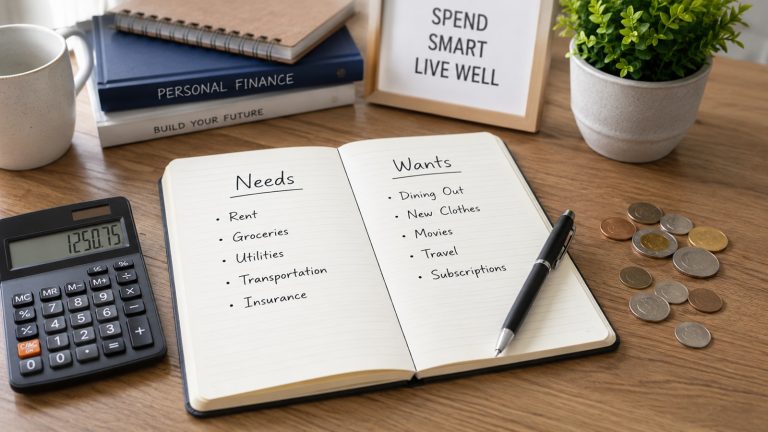
Separate Needs from Wants
When income is irregular, needs should come first.
Needs include:
- Food
- Rent
- Transport
- Utilities
- School needs
- Healthcare
- Debt repayment
Wants include:
- Entertainment
- Frequent eating out
- Expensive upgrades
- Impulse shopping
- Non-essential subscriptions
Wants are not bad, but they should wait until important needs are covered.
Create an Income Buffer
An income buffer is money saved to help cover months when income is low.
For example, if your basic monthly expenses are KSh 25,000, your first buffer goal can be:
KSh 25,000Later, you can grow it to two or three months of basic expenses.
The CFPB describes an emergency fund as a cash reserve for unplanned expenses or financial emergencies, including loss of income.
For irregular income earners, this reserve is especially useful.
Save More During Good Months
When income is high, avoid spending everything.
Use extra income to:
- Build emergency savings
- Pay debt
- Buy essential stock
- Pay future bills early
- Invest in tools or skills
- Prepare for slow months
A strong month should help protect a weak month.
Pay Important Bills Early
When money comes in, pay important bills first.
These may include:
- Rent
- School fees
- Utilities
- Loan payments
- Insurance
- Business costs
- Family responsibilities
Do not assume money will still be available later. Irregular income requires quick prioritization.
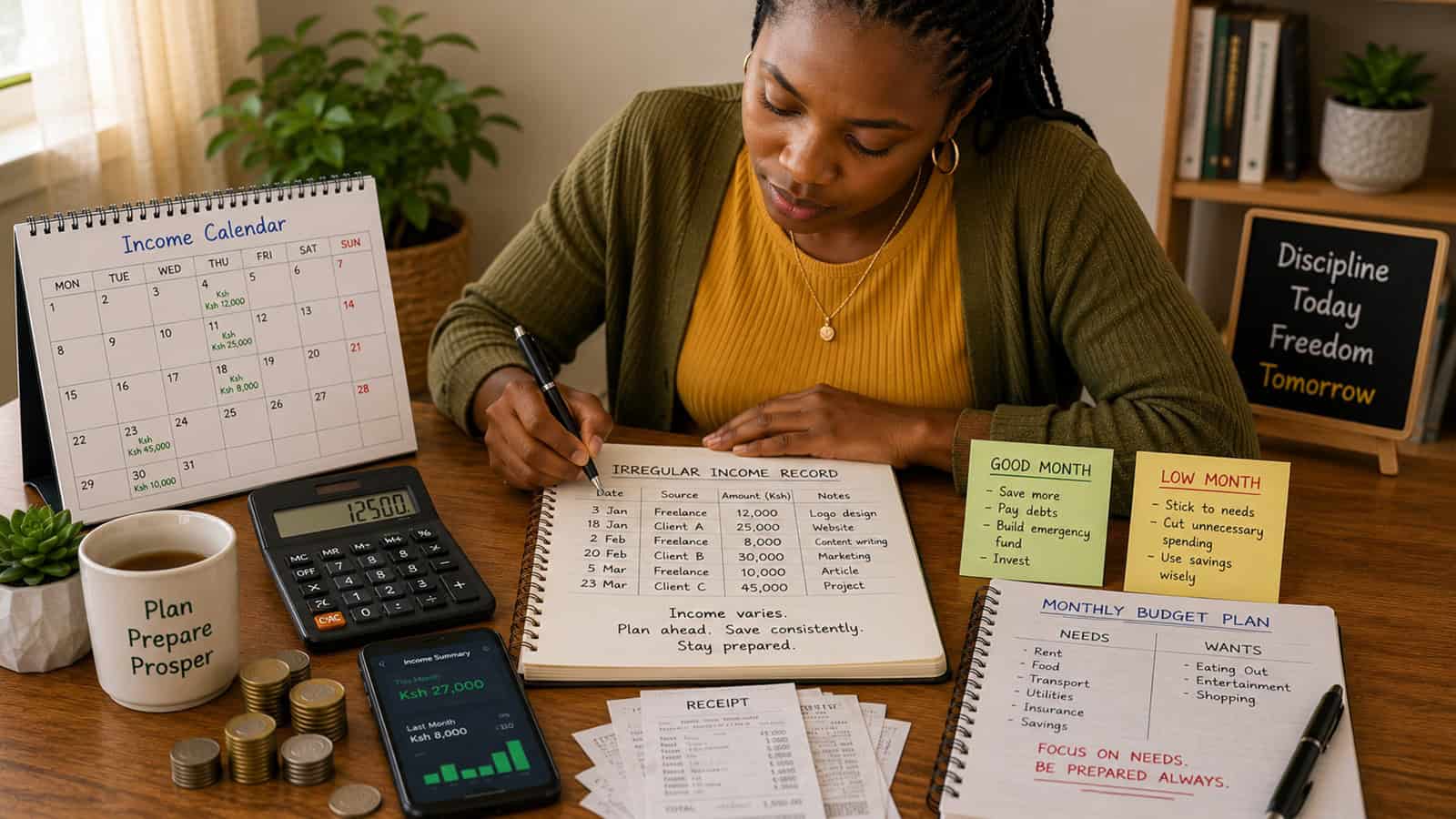
Track Income and Expenses
Track both money coming in and money going out.
A simple table can help:
| Date | Income Source | Amount |
|---|---|---|
| 3 June | Freelance work | KSh 5,000 |
| 8 June | Business sale | KSh 3,500 |
| 15 June | Contract payment | KSh 12,000 |
Also track expenses.
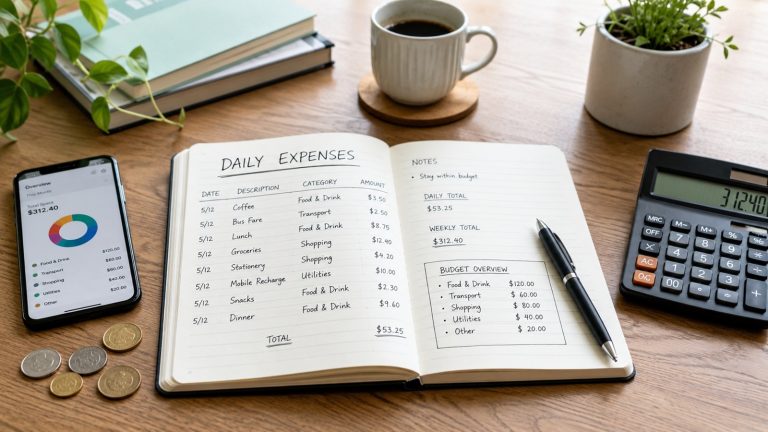
Consumer.gov recommends writing down daily spending and reviewing the month to plan the next month better.
Avoid Unnecessary Debt
Irregular income can make debt dangerous because repayment dates may come before income arrives.
Before borrowing, ask:
Will I have income before the repayment date?
Can I repay if work is slow?
Is this loan necessary?
Avoid borrowing for wants. If you must borrow, have a clear repayment plan.
Use a Weekly Spending Limit
Instead of spending freely, set a weekly limit.
Example:
Food and transport this week: KSh 3,000
Personal spending this week: KSh 500
Weekly limits help stretch money until the next income arrives.
Plan for Seasonal Changes
Some businesses and jobs have seasons. Farmers, tutors, traders, and freelancers may have high and low periods.
When income is high, prepare for the low season. Save more and avoid unnecessary expenses.
Final Thoughts
Managing irregular income requires careful planning. Budget using your lowest expected income, save during good months, pay important bills early, track spending, and build an income buffer.
Irregular income does not have to mean financial chaos. With discipline and planning, you can manage uncertainty better.
Disclaimer
This article is for educational purposes only. It should not be taken as professional financial, tax, legal, investment, lending, or business advice. Always consult a qualified professional before making major financial decisions.