Simple Guide to Understanding Inflation
Inflation is one of the most common financial terms people hear, but many do not fully understand how it affects daily life. You may hear people say that the cost of living has gone up, food prices are higher, transport is more expensive, or money no longer buys as much as it used to. In many cases, they are talking about the effects of inflation.
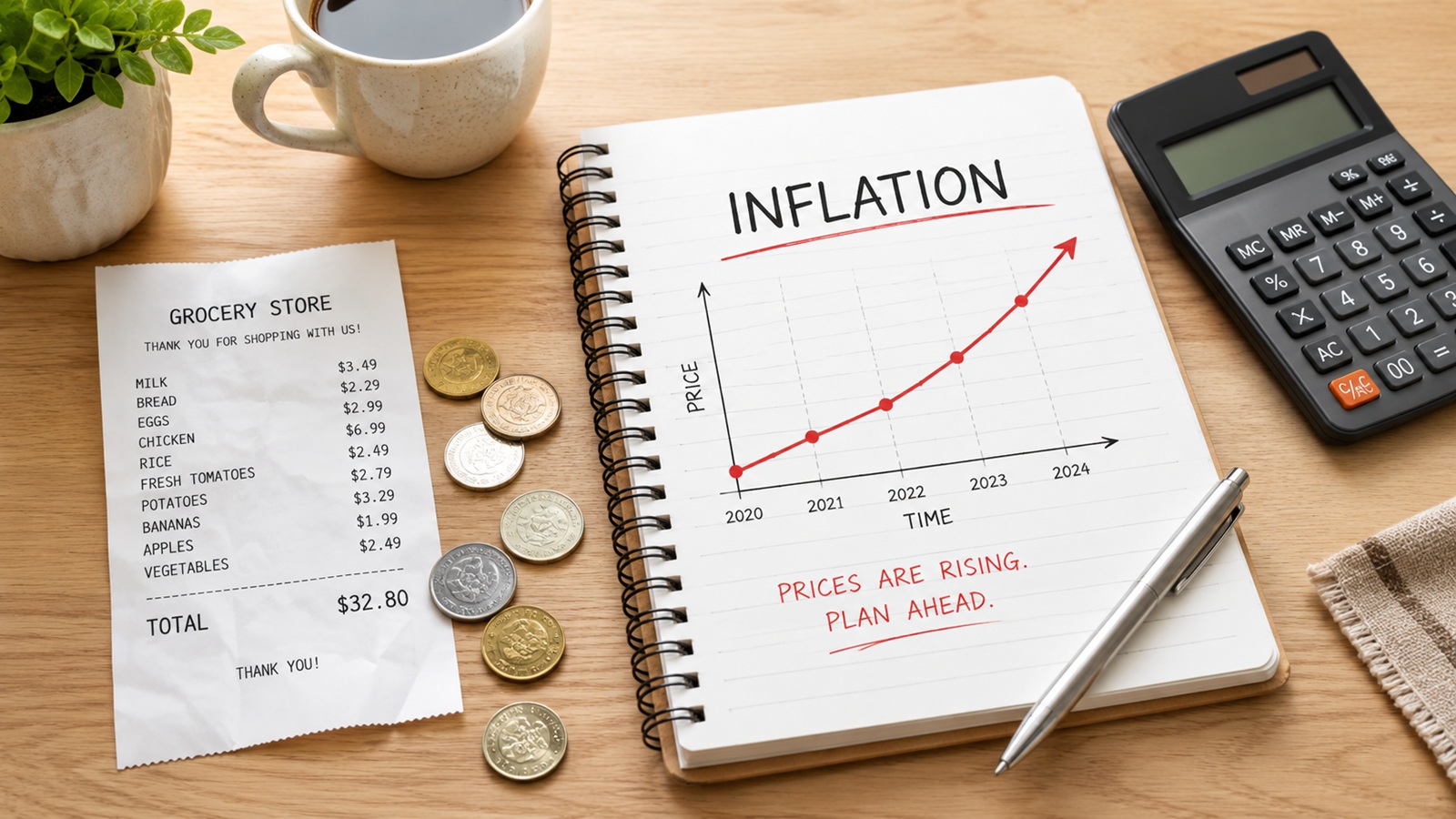
Inflation means the general increase in prices of goods and services over time. The IMF explains inflation as a measure of how much more expensive a set of goods and services has become over a period, usually a year.
In simple terms, inflation reduces the buying power of money. If KSh 1,000 could buy many household items last year but buys fewer items today, your money has lost some purchasing power.
What Is Inflation?
Inflation happens when prices rise across the economy. It is not only about one item becoming expensive. For example, if tomatoes become expensive because of poor weather, that alone is not general inflation. But if food, rent, fuel, transport, electricity, and other common expenses rise broadly over time, that is inflation.
The World Bank describes inflation as a general and continuing increase in an economy’s price level. It also notes that inflation should be separated from changes in the prices of individual goods because inflation refers to the average increase in prices across the economy.
This means inflation is about the wider price trend, not only one product.
A Simple Example of Inflation
Imagine that last year you used KSh 500 to buy:
- Bread
- Milk
- Sugar
- Cooking oil
- Vegetables
This year, the same items may cost KSh 650. The items have not changed, but the amount of money needed to buy them has increased.
That increase is part of inflation.
If your income stays the same while prices rise, life becomes more expensive. You may need to reduce spending, adjust your budget, or look for extra income.
Why Inflation Matters
Inflation matters because it affects almost everyone.
It affects:
- Food prices
- Rent
- Transport
- School fees
- Medical costs
- Utility bills
- Business costs
- Savings
- Loans
- Salaries
- Household budgets
When inflation is high, people may feel financial pressure even if their income has not changed. This is because the same amount of money buys less than before.
The IMF notes that unevenly rising prices can reduce consumers’ purchasing power and erode real income.
Inflation and Purchasing Power
Purchasing power means what your money can buy.
When inflation rises, purchasing power falls.
For example:
If KSh 1,000 bought 10 items before, but now buys only 7 items, your purchasing power has reduced.This is why people often say:
Money is losing value.They do not usually mean the notes or coins have physically changed. They mean the money buys fewer goods and services than before.
How Inflation Is Measured
Inflation is commonly measured using the Consumer Price Index, also called CPI. CPI tracks changes in the prices of a basket of goods and services commonly used by households.
The Reserve Bank of Australia explains that CPI measures the percentage change in the price of a basket of goods and services consumed by households.
In Kenya, the Central Bank of Kenya describes 12-month inflation as the percentage change in the monthly Consumer Price Index.
The basket may include items such as food, housing, fuel, electricity, transport, education, healthcare, and other household expenses.
Why Prices Rise
Prices can rise for several reasons. Sometimes inflation comes from demand. Sometimes it comes from higher production costs. Sometimes it comes from supply problems.
Here are common causes.
1. Higher Demand
When many people want to buy goods and services, but supply is limited, prices may rise.
For example, if many people want to buy a product but there is not enough stock, sellers may increase prices.
This is sometimes called demand-pull inflation.
2. Higher Production Costs
Prices may also rise when it becomes more expensive to produce or transport goods.
For example, if fuel prices increase, transport costs may rise. This can affect food prices, building materials, manufactured goods, and business operations.
If businesses pay more to produce or deliver goods, they may pass some of the cost to consumers.
This is sometimes called cost-push inflation.
3. Supply Shortages
Shortages can also push prices up.
For example, drought may reduce food production. Conflict, global supply disruptions, import problems, or transport delays can also affect supply.
When goods become harder to find, prices may increase.
4. Currency Changes
If a country imports many goods, a weaker local currency can make imports more expensive.
For example, if the local currency loses value against foreign currencies, imported fuel, machinery, medicine, electronics, or raw materials may cost more.
These higher costs can then affect local prices.
5. Inflation Expectations
Sometimes prices rise partly because people expect prices to rise.
If workers expect higher living costs, they may ask for higher wages. If businesses expect higher costs, they may increase prices early.
This can contribute to further price increases.
How Inflation Affects Households
Inflation affects households directly because families must still buy basic goods and services.
When prices rise, households may be forced to:
- Reduce spending on wants
- Buy cheaper alternatives
- Change shopping habits
- Spend more on food and transport
- Save less
- Borrow more
- Delay important plans
Inflation affects low and middle income earners strongly because a large part of their income often goes to basic needs such as food, rent, transport, school fees, and utilities.
Inflation and Budgeting
Inflation can make budgeting difficult because expenses change over time.
A budget that worked six months ago may no longer work if prices have increased. For example, your food budget may rise from KSh 8,000 to KSh 10,000 even if you buy similar items.
That is why budgets should be reviewed regularly.
When inflation is high, you may need to:
- Track spending more carefully
- Reduce non-essential expenses
- Compare prices
- Buy in bulk where practical
- Avoid waste
- Review subscriptions
- Increase savings if possible
- Look for additional income
A budget should reflect current prices, not old prices.
Inflation and Savings
Inflation can reduce the real value of savings.
For example, if you save KSh 50,000 and prices rise over time, that KSh 50,000 may buy less in the future than it can buy today.
This does not mean saving is useless. Saving is still important, especially for emergencies and short-term goals. However, it means you should understand that money kept idle for a long time may lose purchasing power.
For long-term goals, people may consider savings or investment options that can help protect value, but this should be done carefully and with proper advice.
Inflation and Salaries
Inflation becomes stressful when salaries do not increase at the same speed as prices.
For example, if your monthly income remains KSh 30,000 but rent, food, transport, and school fees increase, your real income has reduced. You are earning the same amount, but it buys less.
This is why salary increases are not always real improvements. If your salary increases by 5 percent but prices increase by more than that, you may still feel financially squeezed.
Inflation and Loans
Inflation can affect borrowers and lenders in different ways.
For borrowers, inflation may make daily life more expensive, leaving less money for loan repayment. This can increase the risk of late payment.
For lenders, inflation can affect the value of money repaid in the future.
Inflation can also influence interest rates. When inflation rises, central banks may adjust interest rates to help manage price stability. Higher interest rates can make borrowing more expensive.
This is why borrowers should be careful during times of rising prices. Taking a loan when your budget is already under pressure can create more stress.
Inflation and Businesses
Businesses also feel inflation.
When prices rise, businesses may pay more for:
- Stock
- Rent
- Electricity
- Fuel
- Transport
- Salaries
- Raw materials
- Packaging
- Loan repayments
Small businesses may struggle because customers also have less money to spend. If a business raises prices too much, customers may buy less. If the business does not raise prices, profits may fall.
This is why business owners need good record keeping and regular price reviews.
Inflation and Students
Students also feel inflation, even if they are not earning full-time income.
Inflation can affect:
- Food costs
- Transport
- Rent or hostel fees
- Books
- Data bundles
- School supplies
- Personal expenses
Students should track spending and avoid unnecessary borrowing because rising costs can make money run out faster.
Is Inflation Always Bad?
Inflation is not always bad when it is low and stable. A small amount of inflation may be normal in a growing economy.
The problem comes when inflation rises too fast, becomes unpredictable, or affects basic goods strongly.
High inflation makes planning difficult because people do not know what prices will be next month or next year. It can reduce savings, increase stress, and make household budgeting harder.
Very low inflation or falling prices can also create problems in some cases because businesses may reduce production or delay investment.
The goal is usually price stability, where inflation is controlled and predictable.
How to Protect Yourself from Inflation
You cannot control inflation alone, but you can manage your personal response.
Here are practical steps.
1. Review Your Budget Regularly
Do not use the same budget for too long without checking it. Prices change, and your budget should change too.
Review your budget at least once every month.
2. Track Your Spending
Tracking helps you see where money is going. This is important when prices rise because small increases can affect your total spending.
Use a notebook, spreadsheet, mobile app, or phone notes.
3. Reduce Waste
Avoid wasting food, electricity, fuel, airtime, data, and household items.
Reducing waste does not mean living poorly. It means using money more carefully.
4. Compare Prices
Before buying, compare prices where possible. Prices may differ between shops, supermarkets, markets, suppliers, and online platforms.
Small savings on regular purchases can help.
5. Buy Essentials First
When prices are rising, prioritize needs before wants.
Pay attention to:
- Food
- Rent
- Transport
- Healthcare
- School fees
- Utilities
- Debt repayment
- Emergency savings
Avoid spending too much on wants before covering basic needs.
6. Build an Emergency Fund
An emergency fund gives you support when unexpected costs appear.
During inflation, emergencies may become more expensive. Even a small emergency fund can reduce the need to borrow.
7. Avoid Unnecessary Debt
When prices are high, borrowing for lifestyle spending can become risky. Loan repayments may become difficult if your normal expenses keep rising.
Borrow only when necessary and when you have a clear repayment plan.
8. Look for Ways to Increase Income
If expenses keep rising, cutting costs may not be enough. You may need to look for responsible ways to increase income.
This may include:
- Learning a new skill
- Starting a small side business
- Freelancing
- Improving your career skills
- Selling useful products or services
- Increasing business efficiency
Extra income can help reduce pressure.
Common Mistakes During Inflation
Avoid these mistakes when prices are rising:
- Ignoring your budget
- Continuing old spending habits
- Borrowing for wants
- Not tracking expenses
- Keeping all money idle without a plan
- Buying things because of panic
- Failing to compare prices
- Not adjusting business prices carefully
- Reducing savings completely
- Ignoring emergency planning
Inflation requires more awareness and discipline.
Simple Inflation Example
Imagine your monthly expenses were:
| Expense | Last Year | This Year |
|---|---|---|
| Food | KSh 8,000 | KSh 10,000 |
| Transport | KSh 4,000 | KSh 5,000 |
| Rent | KSh 10,000 | KSh 11,000 |
| Utilities | KSh 2,500 | KSh 3,000 |
| Total | KSh 24,500 | KSh 29,000 |
Your expenses increased by KSh 4,500.
If your income did not increase, you must adjust your budget. You may need to reduce wants, improve shopping habits, or look for extra income.
Final Thoughts
Inflation means prices are rising over time. It affects your purchasing power because the same amount of money buys fewer goods and services.
Inflation can affect households, students, businesses, workers, savers, and borrowers. That is why understanding inflation is important for personal finance.
You may not control inflation, but you can control some of your financial habits. Review your budget, track spending, reduce waste, avoid unnecessary debt, compare prices, and build an emergency fund.
The better you understand inflation, the easier it becomes to make smarter money decisions when prices change.
Disclaimer
This article is for educational purposes only. It should not be taken as professional financial, investment, tax, legal, economic, or business advice. Always consult a qualified professional before making major financial decisions.